
UAE Yacht Code

UAE Yacht Code
The UAE Yacht Code was submitted to the IMO and all IMO member states in 2009. TASNEEF took the initiative to update the code, establish the interpretations, checklists, as well as the operating system. On this basis, the UAE introduced the code to both the UAE and international markets in 2014 as the first of its kind globally.
TASNEEF, as the technical arm of the Federal Transport Authority (FTA), carries out UAE Yacht Code surveys and certification on its behalf. TASNEEF has been involved in all stages of the development, interpretation, implementation of the code, and increasing awareness within the local and global yachting industry. TASNEEF’s involvement in the development of the UAE Yacht Code has also contributed to improving yachting standards in the region.
The international conventions applicable to conventional vessels are not applicable to private pleasure yachts.
The need for yacht regulations has been identified for yachts above 24 m not intended for commercial use.
In this case as well, TASNEEF has been authorised by the FTA to implement the Yacht Code.
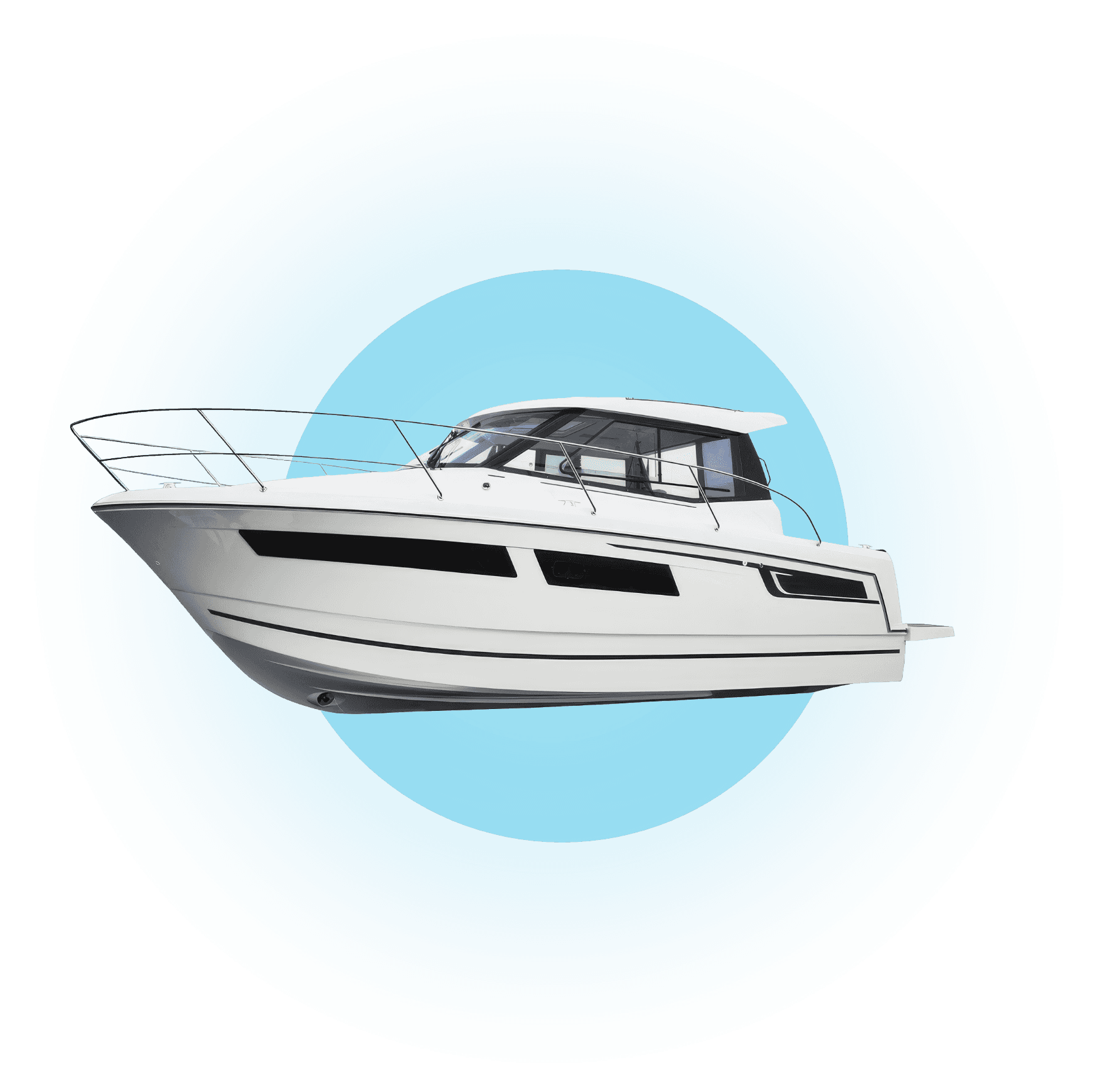
The UAE Yacht Code ensures more safety by enforcing stringent construction and operational guidelines tailored specifically for large private yachts.
Measure
Requires advanced emergency response plans, rapid evacuation protocols, and comprehensive crew training for unexpected offshore scenarios.
Provides owners and captains with enhanced control through standardized certification, regular surveys, and compliance monitoring.
Equipment
Mandates the presence of state-of-the-art rescue equipment, lifeboats, and communication systems matched to the yacht's operational area.
Minimizes structural and operational risks through rigorous classification society standards and regular technical assessments.
Functionality
Promotes better functionality by allowing innovative yacht designs while maintaining an uncompromised level of maritime safety.